Corporate Social Responsibility (CSR) in India has witnessed a remarkable transformation over the past decade. What was once largely viewed as voluntary philanthropy has now evolved into a structured, compliance-driven, and strategy-led business function. The introduction of CSR provisions under the Companies Act, 2013 marked a turning point, making India one of the first countries to mandate CSR spending. This shift has encouraged organizations to move beyond traditional cheque-book charity toward more accountable, measurable, and impact-oriented initiatives.
1. Evolution from Philanthropy to Strategic CSR
Historically, CSR in India was driven by goodwill, with companies engaging in charitable donations and community welfare activities without a structured framework. However, post-legislation, CSR has become more formalized and aligned with business strategy. Organizations are now expected to allocate a specific percentage of their profits toward social initiatives, ensuring consistency and accountability.
More importantly, CSR is no longer treated as a peripheral activity. Companies increasingly integrate CSR with their core business objectives, sustainability goals, and long-term vision. This strategic alignment ensures that CSR initiatives are not only socially relevant but also contribute to brand building, stakeholder trust, and competitive advantage.
2. Core Elements of Modern CSR Implementation
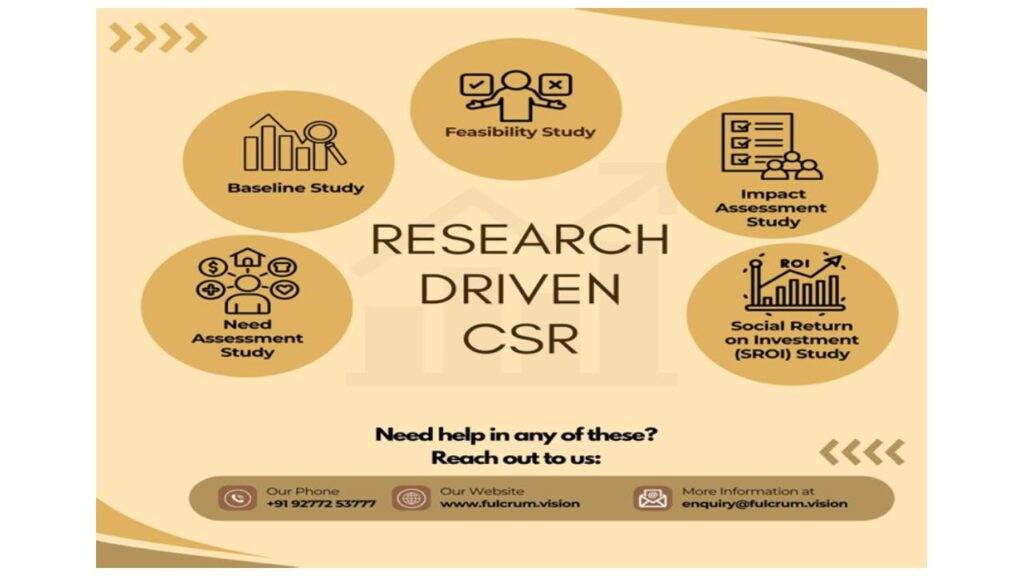
In today’s complex development landscape, effective CSR requires a structured and data-driven approach. Organizations are adopting key processes such as needs assessments and baseline studies to identify genuine community requirements and set measurable benchmarks. These steps help ensure that CSR interventions are relevant and impactful.
Strategic planning plays a crucial role in aligning CSR initiatives with both corporate goals and societal needs. Additionally, monitoring and evaluation (M&E) frameworks enable companies to track progress and assess the effectiveness of their programs. Impact assessment has also become increasingly important, helping organizations understand the long-term outcomes of their initiatives.
Compliance reporting is another critical component, as companies must adhere to regulatory guidelines and maintain transparency in their CSR activities. Together, these elements create a comprehensive approach that enhances both accountability and effectiveness.
3. Accountability, Governance, and Transparency
One of the most significant outcomes of CSR formalization in India is the increased emphasis on accountability and governance. Structured frameworks ensure that funds are utilized efficiently and for intended purposes. Companies are now required to maintain detailed documentation, disclose CSR activities, and report outcomes, fostering greater transparency.
Data-driven decision-making has become central to CSR strategy, enabling organizations to design more effective programs and demonstrate measurable impact. Strong governance mechanisms not only help in regulatory compliance but also build trust among stakeholders, including investors, customers, and communities.
4. Challenges in CSR Execution
Despite its benefits, the evolving CSR landscape presents several challenges. Many organizations struggle with the increasing complexity of compliance and reporting requirements. Smaller companies, in particular, may lack the internal expertise, resources, or dedicated teams needed to manage end-to-end CSR operations.
Measuring social impact remains another significant challenge. Unlike financial performance, social outcomes are often difficult to quantify, making it harder to evaluate success. Additionally, there can be gaps between planning and on-ground execution, especially when dealing with diverse communities and stakeholders.
These challenges raise an important question: while CSR formalization has strengthened accountability, has it also made implementation more resource-intensive? The answer lies in how effectively organizations adapt to these new demands.
5. Strategic Value of CSR for Businesses
When implemented effectively, CSR offers substantial strategic benefits. It enhances brand reputation and fosters customer loyalty by demonstrating a company’s commitment to social responsibility. Employees are also more likely to engage with organizations that have a clear purpose, improving talent attraction and retention.
Furthermore, CSR contributes to stronger Environmental, Social, and Governance (ESG) performance, which is increasingly important for investors. It also helps mitigate risks by promoting ethical practices and regulatory compliance. Ultimately, CSR enables companies to create long-term value while contributing positively to society.
Conclusion
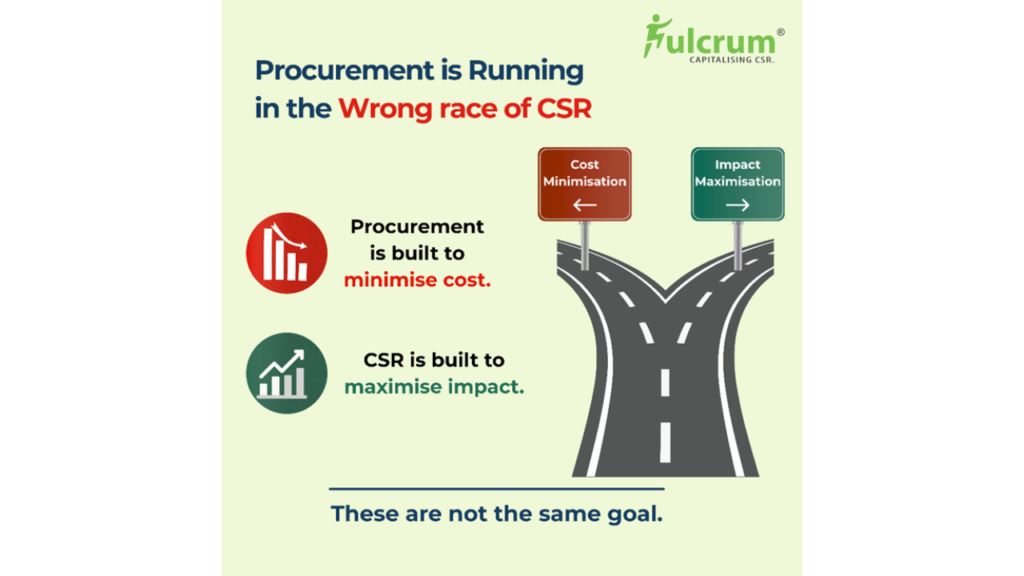
CSR in India has transitioned from a philanthropic activity to a strategic business imperative. While the formalization of CSR has improved accountability, transparency, and impact measurement, it has also introduced new complexities in execution and compliance.
For organizations aiming to thrive in this evolving landscape, the key lies in adopting a structured, data-driven, and impact-focused approach. By aligning CSR with business strategy and societal needs, companies can go beyond compliance to create meaningful and sustainable social impact—while strengthening their own long-term resilience and growth.
https://www.linkedin.com/feed/update/urn:li:activity:7330845061871505409